Window cleaning is a crucial part of maintaining a property’s presentation and longevity—especially here in Australia, where dust, pollen, and coastal salt spray can quickly dirty your glass surfaces. One question we often hear from homeowners and property managers is: “Do window cleaners leave windows wet?”
The short answer is: No, professional window cleaners do not leave windows wet. But to understand why and how, you need to explore the methods, tools, and practices that define a proper window cleaning job.
In this article, we’ll take you through the real-world processes behind window cleaning, discuss common drying techniques, debunk myths, and provide tips to ensure your glass gets the streak-free finish it deserves.
Contents
Professional Window Cleaning Techniques
Why Drying Matters
Leaving windows wet can result in:
- Water spots from minerals in the water
- Streaks from uneven evaporation
- Dirt clinging to moisture
- Reduced curb appeal and overall presentation
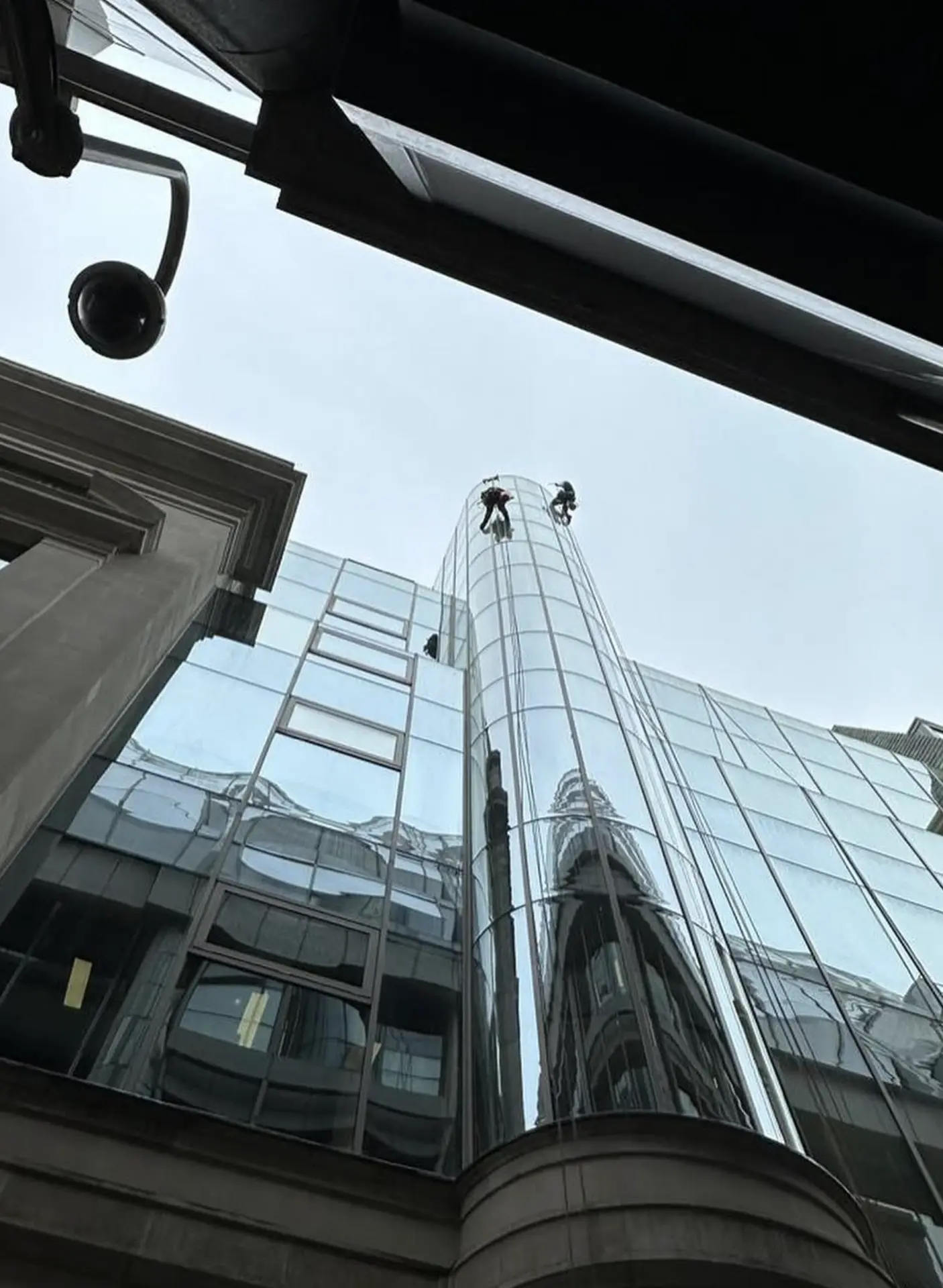
Professional window cleaners are trained to eliminate these issues using proper techniques and equipment. Whether it’s a residential window cleaning service or High Rise Window Cleaning, drying is a standard part of the job.
The Window Cleaning Process
1. Initial Rinse and Dirt Removal
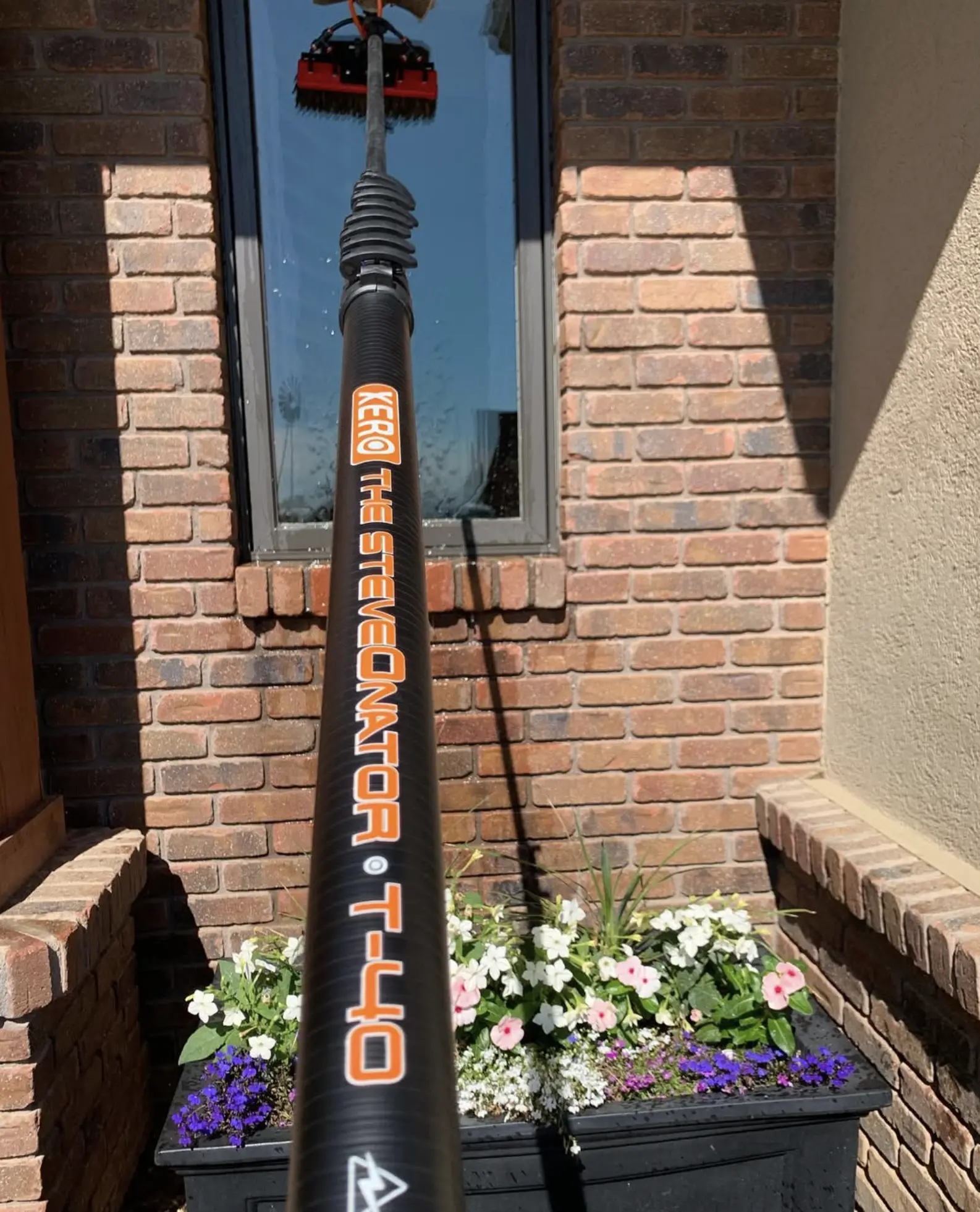
Cleaners begin by spraying the window with soapy water or purified water, loosening dirt and grime. Some use spray bottles, while larger jobs rely on water-fed pole systems.
2. Scrubbing
Using microfibre cloths, scrubbers or specialised brushes, the window’s surface, edges, and window frame are thoroughly cleaned.
3. Squeegeeing
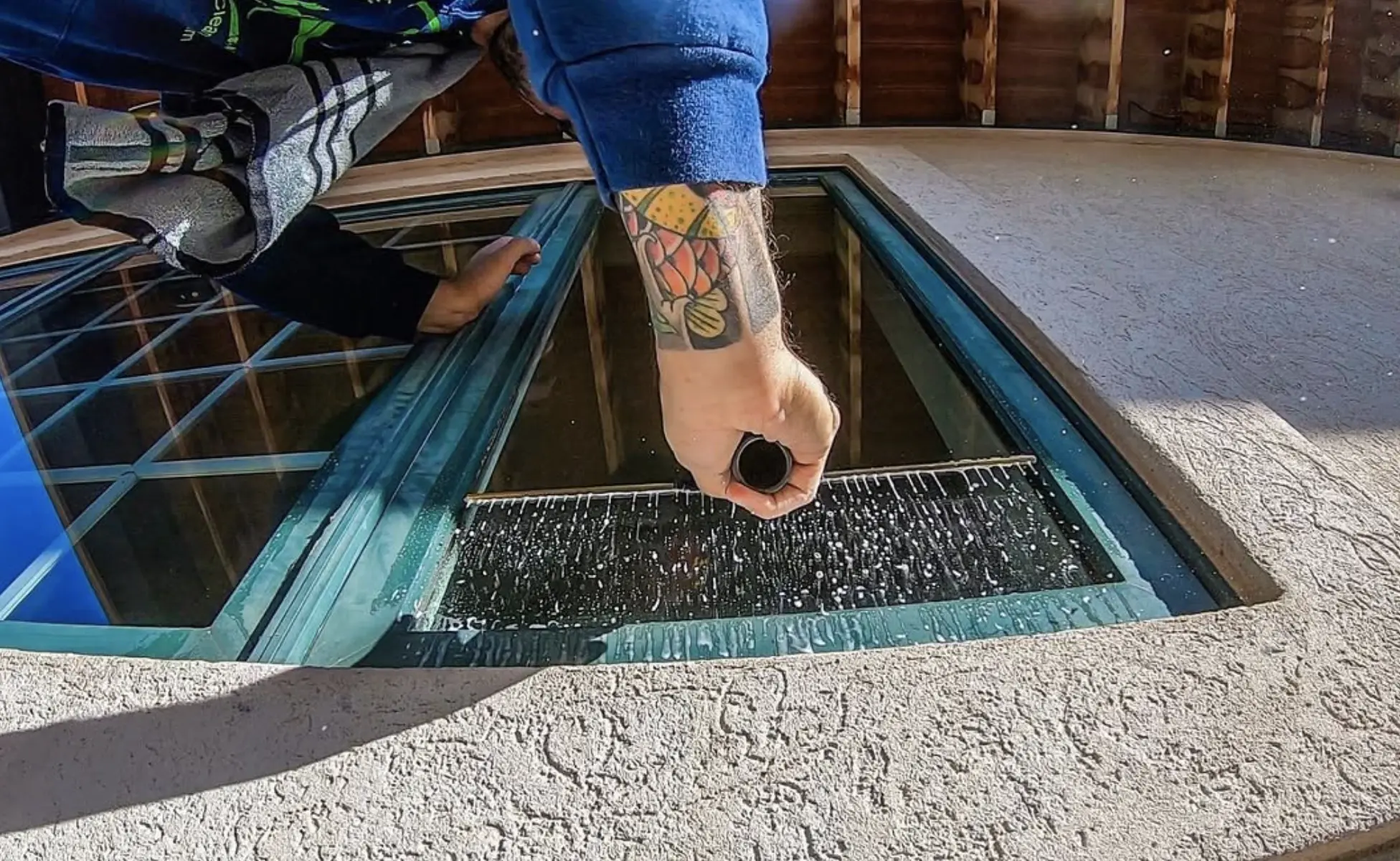
A quality squeegee is used to remove all water from the glass pane, ensuring no streaks are left behind. This is the key moment where most of the water is physically wiped off the window.
4. Drying Edges and Sills
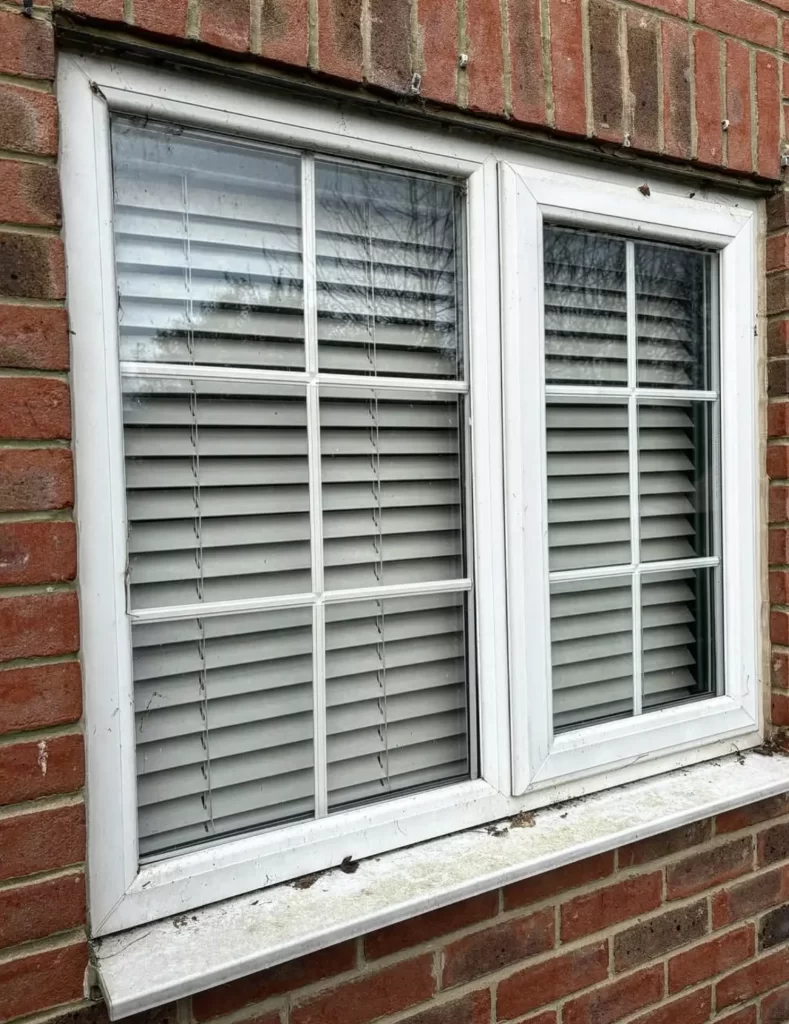
Professional window cleaners dry the window sills, frames, and edges using dry cloths, microfibre rags, or soft towels to prevent water stains and dripping. This step is especially important during window cleaning high windows, where any runoff can be difficult to detect from the ground.

Why Your Windows Should Never Be Left Wet
Avoiding Water Spots
Australian tap water contains minerals that can leave visible marks when allowed to dry naturally. Exterior window cleaning without drying can result in hard-to-remove water stains.
Preventing Dirt Build-Up
Moisture attracts airborne dirt and dust. Leaving your windows wet is a surefire way to make them dirty again sooner, defeating the purpose of a professional clean.
Enhancing Appearance
From aged care facilities to commercial buildings, clean windows enhance visibility, natural light, and professional presentation. A streak-free result is only achieved through complete drying. This is equally crucial in facade cleaning, where a uniform finish is expected across an entire exterior.
Drying Methods Used by Professional Cleaners
Traditional Towel or Rag Drying
Soft microfibre cloths or dry towels are still popular among many professionals. These are used around edges, frames, and sills for detailing.
Squeegee Technique
Squeegees are designed not just to move water, but to eliminate it. A skilled cleaner can leave a window 99% dry with just the blade, particularly with warm weather and low humidity aiding evaporation.
Water-Fed Pole Drying
When using water-fed pole systems, purified (deionised) water is used. Because it’s free from minerals, this water can be left to dry naturally without leaving spots. This is a technique commonly employed during Pressure Cleaning Melbourne projects when windows and facades are cleaned in a single session.

What Might Make Windows Appear Wet?
Even with professional drying, sometimes you might think your window is still wet. Here’s why:
- Condensation: Especially in cooler climates or early mornings.
- Cleaning residue: Poor-quality services may leave soapy water or product behind.
- Improper rinsing: DIY methods often fail to rinse thoroughly.
If you’re noticing persistent water or streaks, it’s time to hire a professional window cleaner who understands proper window cleaning tools and techniques.
What About Balcony Glass and High Windows?
Balcony Cleaning Melbourne customers often worry about the final result when windows are located in tricky spaces or exposed areas. These spaces collect more grime and salt, and without thorough drying, the residue is even more visible.
When it comes to window cleaning high windows, the use of extension poles and specialised tools helps ensure no drip lines are left behind. In professional outdoor cleaning, drying is as critical as the cleaning itself.
Does Pressure Cleaning Leave Windows Wet?
If your cleaner uses Pressure Cleaning Melbourne methods on facades, concrete, or surrounding areas, water spray may splash nearby windows. But in a dedicated window cleaning job, professionals either:
- Mask windows
- Dry them post-wash
- Use Pressure Washing sparingly around glass
For properties requiring both facade cleaning and window services, a combined approach ensures water doesn’t cause stains or marks post-job.
Window Cleaning in Commercial and High-Rise Settings
For commercial property owners and business owners, wet windows after cleaning simply aren’t acceptable. High-rise professionals use specialised equipment and strict protocols to ensure every window is dry and gleaming—no matter how high up.
High Rise Window Cleaning companies rely on multi-stage squeegee and detailing techniques, often applying purified water systems followed by microfibre edge work for a flawless result. The Window Cleaning Melbourne Crew is well-known for delivering spotless, streak-free finishes on both residential and high-rise projects across the city.
Avoiding Mistakes
Some less experienced cleaners or budget services may:
- Skip final drying to save time
- Use dirty water or low-quality tools
- Fail to clean and dry window tracks or frames
This leaves dirty windows, stubborn marks, and rework. Always ask your window cleaning company about their process and whether drying is included.
How to Maintain Dry
Between Professional Cleans
- Use a damp cloth followed by a dry cloth
- Avoid cleaning in direct sunlight which can dry water too fast and leave marks
- Avoid soapy water that isn’t rinsed properly
- Clean regularly to avoid build-up
Invest in
- Gutter Cleaning to stop dirty runoff
- Regular window cleaning services
- A reliable, local window cleaning business
Conclusion
Absolutely. Whether it’s a residential property, aged care facility, or commercial windows on a tower in the CBD, professional window cleaning services will ensure your glass is sparkling and dry.
FAQ
Why are my windows still wet after cleaning?
If your windows are still visibly wet after a clean, it may be due to a rushed job or DIY method. Professionals use tools to remove nearly all moisture and detail dry the edges.
Is it OK for windows to air-dry after cleaning?
Only if purified water is used (as with water-fed pole systems). Tap water leaves mineral spots unless wiped off with proper tools.
Do window cleaners dry window sills and frames too?
Yes, professional cleaners will dry window sills, frames, and even window tracks to ensure no residue or water stains remain.
What happens if windows are left wet?
Leftover water can cause streaks, water spots, or even water damage to window frames—especially timber.
How can I tell if my window cleaner is drying properly?
Watch for the use of squeegees, microfibre cloths, and edge detailing. Ask questions about their drying technique to ensure you’re getting full value.