What are the downsides of laser tattoo removal? If you’ve ever sat in a Melbourne café scrolling social media and wondering whether to finally get rid of that faded sleeve or eyebrow tattoo gone wrong, you’re not alone. The tattoo industry is booming, but so is tattoo regret — and with that comes demand for removal.
But here’s the truth: while a professional laser tattoo removal service can be very effective, it’s not without side effects, costs and healing challenges. And as someone who’s been working with cosmetic tattoos and corrections for nearly a decade, I’ll tell you — it’s better to walk in prepared than surprised.
Contents
Knowing the Risks First
Laser tattoo removal involves a powerful laser light targeting tattoo pigments and breaking them into tiny ink particles for your immune system to clear. Sounds clinical, but it’s a big job for your skin and body.
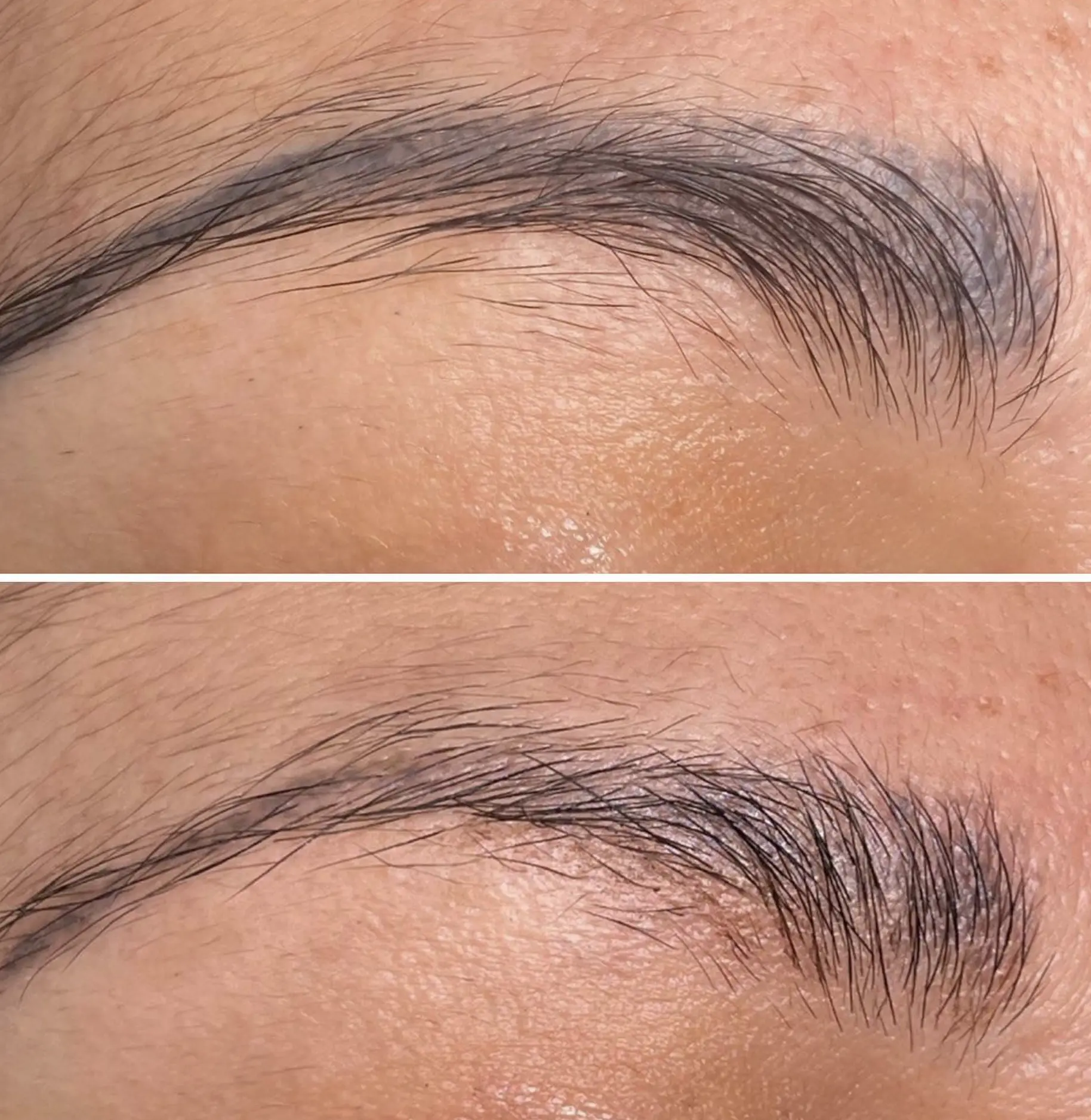
Tattoo removal in Melbourne has become a busy industry, with clinics offering everything from single session promises to full removal packages. But not every clinic uses advanced laser devices or employs trained medical professionals.
At Face Figurati Cosmetic Tattoo Studio in Melbourne, I’ve seen the good (successful pigment removal), the bad (skin irritation and pigmentation changes) and the ugly (clients needing medical attention after visiting unqualified tattoo parlours).
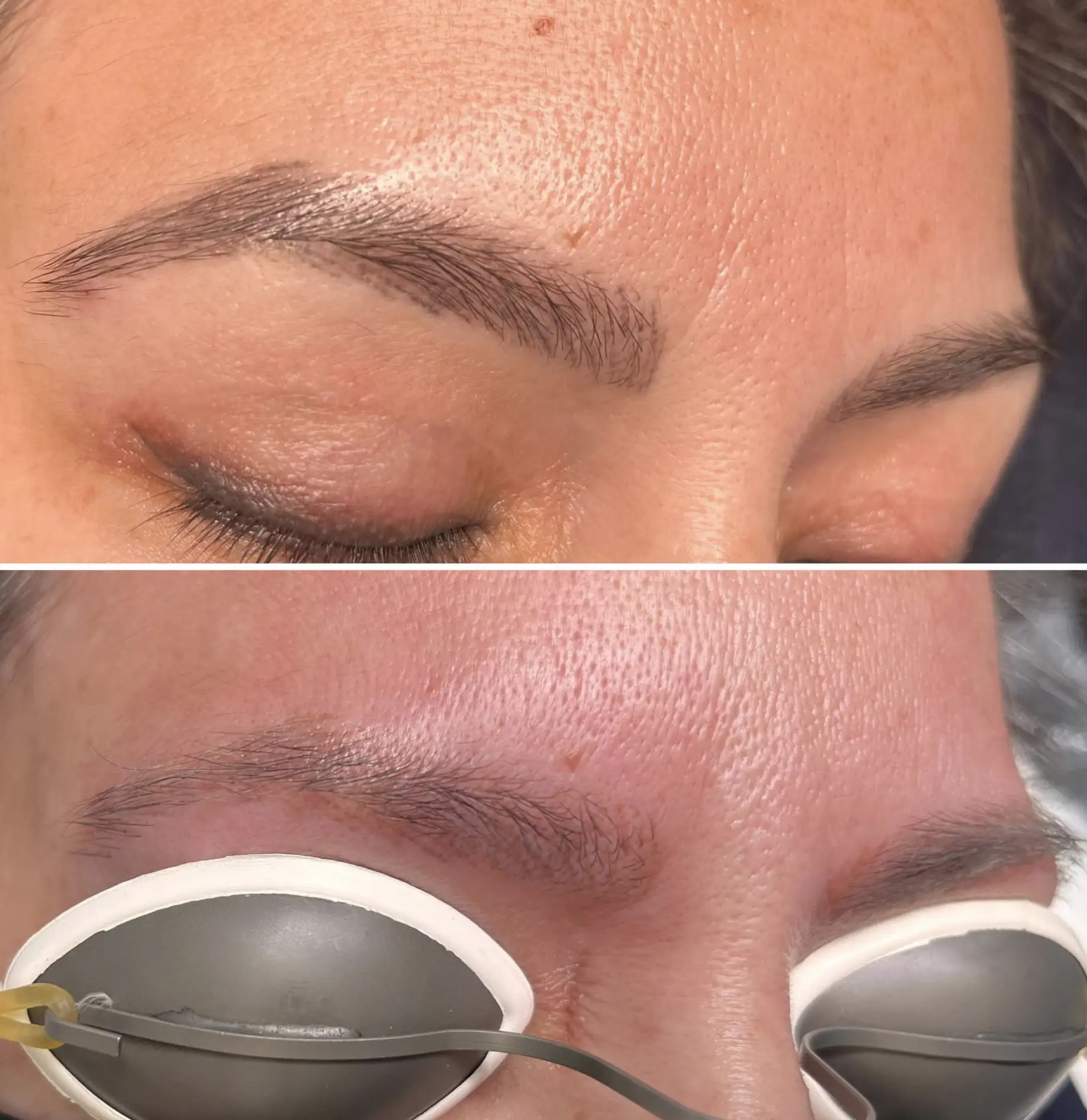
Common Side Effects After Laser Sessions
Laser removal isn’t a gentle facial — it’s a controlled skin injury designed to remove pigment. So you can expect some discomfort and temporary skin conditions.
Common side effects include:
- Redness and swelling: Like a sunburn.
- Blistering: More common with older professional tattoos.
- Skin irritation and itchiness: Especially during the healing process.
- Skin discoloration: Temporary darkening or lightening, especially in medium-to-darker skin types.
- Scabbing and peeling: A part of tissue destruction and skin repair.
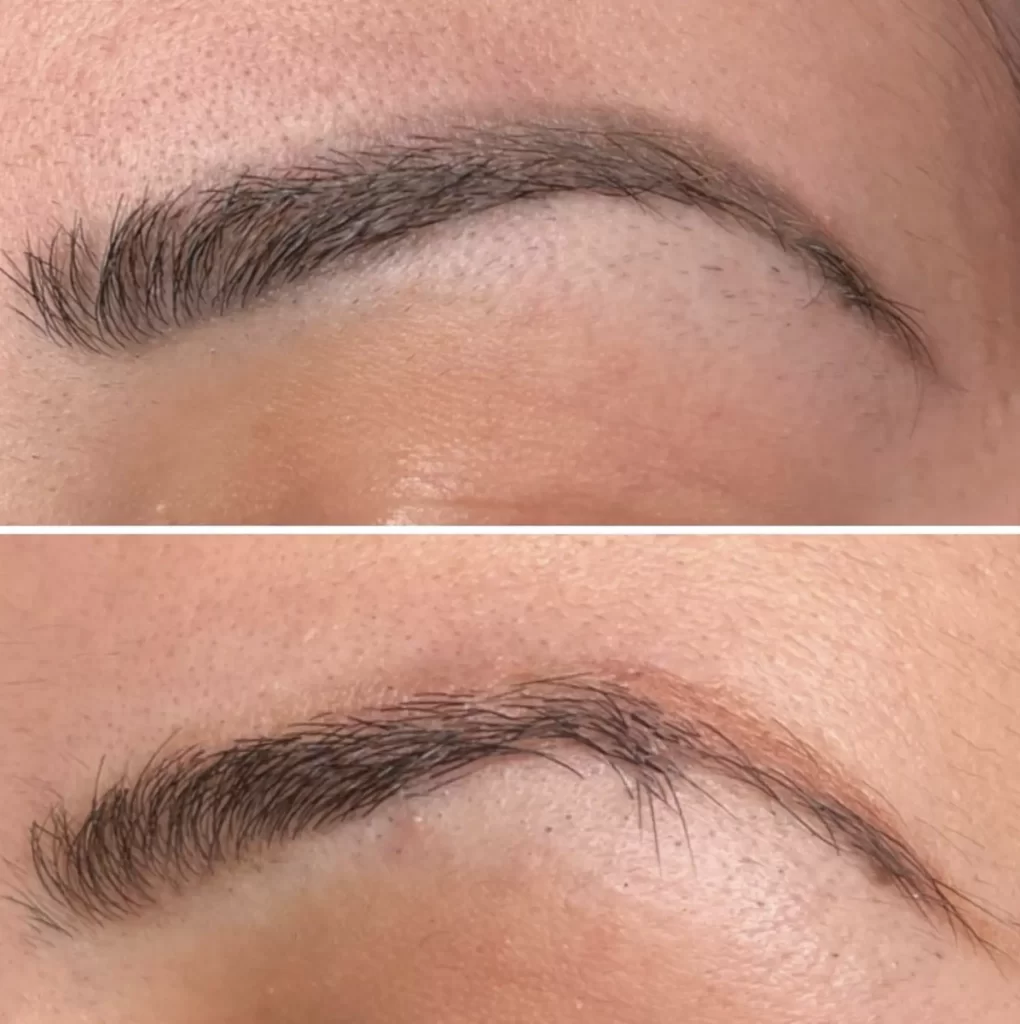
Clients who’ve had laser eyebrow tattoo removal often get mild swelling for a few days since the skin in that area is so delicate.
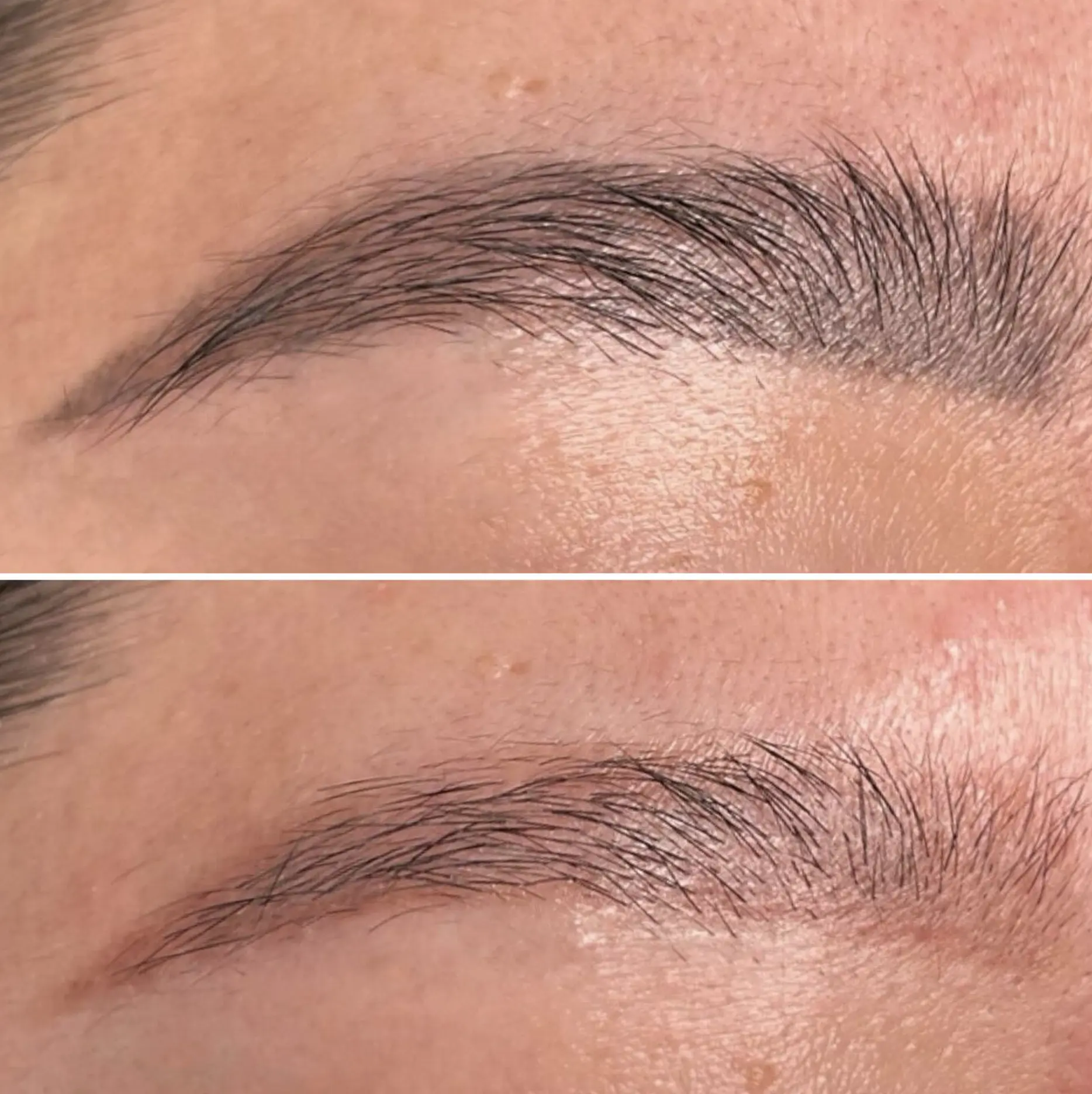
The Healing Timeline (And Why Patience Is Key)
Healing time depends on your skin type, the tattoo pigments and how your body reacts.
| Stage | What Happens | Typical Recovery Time |
|---|---|---|
| Immediate (0–48 hours) | Redness, swelling, and heat from laser light energy | 1–2 days |
| Short-term (days 3–7) | Blistering, scabbing, and early pigment removal | 1 week |
| Mid-term (weeks 2–4) | Pigmentation changes, itchiness, irritation | 2–4 weeks |
| Long-term (months) | The immune system clears ink particles via the lymphatic system | 6–12 months+ |
When I do eyebrow tattoo removal, I always say patience is key — brows need multiple gentle sessions to avoid damaging the skin.
Why Laser Matters
Not all lasers are created equal. Older tattoo removal creams or intense pulsed light (IPL) machines are still floating around in the industry, but often cause more harm than good.
Choosing a clinic that uses advanced laser tattoo removal with the right laser wavelengths is the way to minimise the risks of scarring or pigmentation changes.
The Cost of Regret
Laser sessions in Melbourne aren’t cheap. You’re paying for technology, training and safe care. On average:
- $150–$500 per session, depending on tattoo size and colour.
- 8–12 sessions for professional tattoos, more for multicoloured ones.
- Extra costs: consultations, healing products and time off work.
Many of my clients considering laser tattoo removal in Melbourne realise the overall cost is significant, but still more effective than chemical peels or DIY tattoo removal creams.
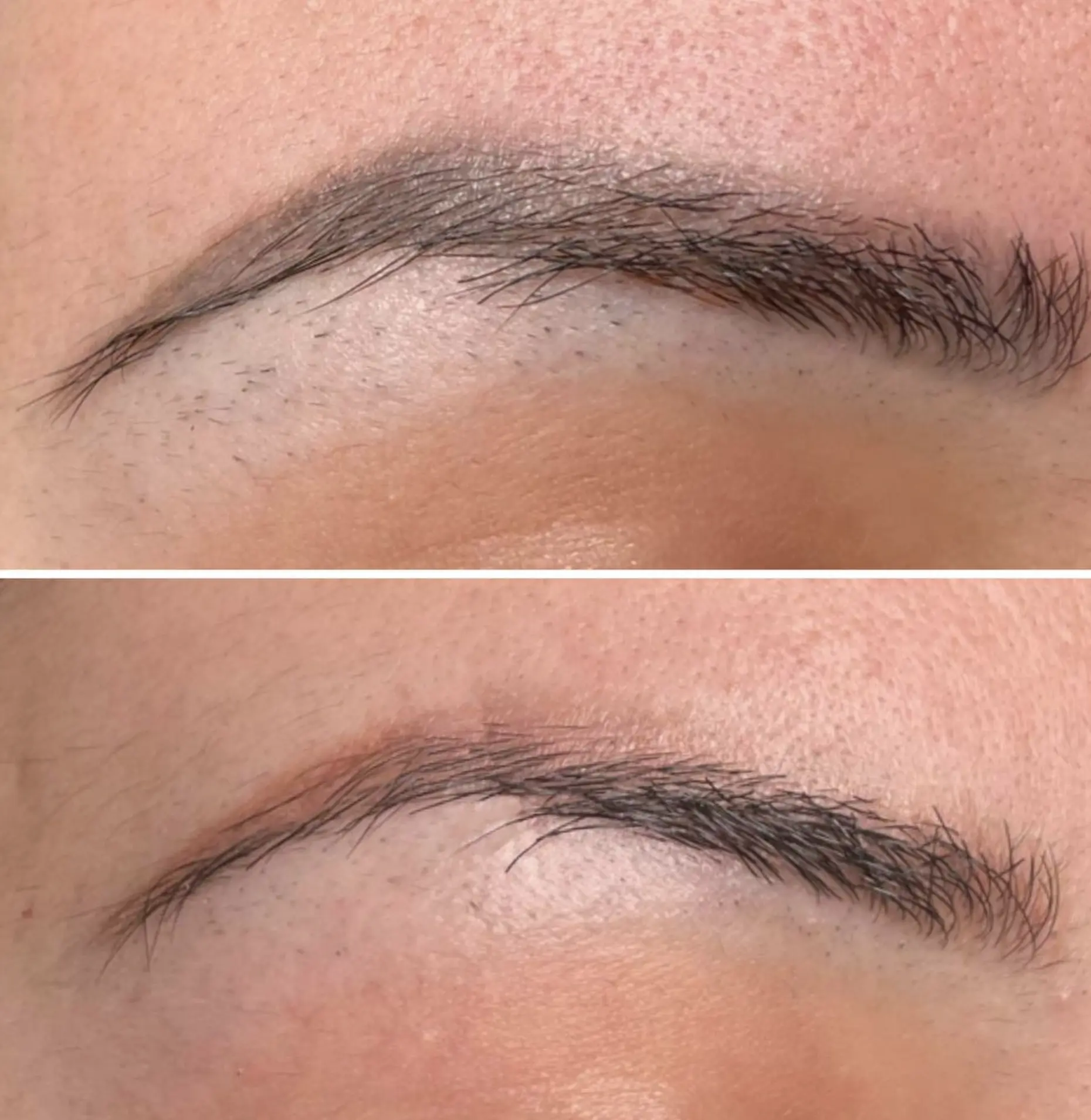
Long-Term Adverse Effects to Know
Some effects don’t show up until months after treatment:
- Pigmentation changes: Darker or lighter patches, sometimes permanent.
- Scarring: Rare with modern lasers, but more likely if aftercare isn’t followed.
- Skin cancer risk: Minimal but worth noting if the skin is repeatedly exposed to UV radiation post-treatment.
- Emotional impact: The slow process can affect mental health, especially if social media pressures drive unrealistic expectations.
- Incomplete pigment removal: Green, yellow and light blue tattoo pigments often resist laser light energy.
That’s why I tell every client considering laser eyebrow tattoo removal that results vary — some faint traces of pigment may remain.
When It’s Worth It (and When It’s Not)
Laser removal can be the best investment if you’re:
- Regretting a permanent makeup job or old tattoo parlour ink
- Considering a cover-up tattoo and need the old one faded
- Committed to multiple sessions and proper aftercare
It might not suit you if:
- You have sensitive skin types prone to scarring
- You’re undergoing cancer treatment or other immune-compromising conditions
- You’re expecting instant results with minimal effort
Final Reflection
So, what are the negatives of laser tattoo removal? Redness and blistering, pigmentation changes, scarring and mental health strain. But with professional treatment, realistic expectations and aftercare, most clients find it worth it.
At Face Figurati Cosmetic Tattoo Studio in Melbourne, I always say: tattoo regret doesn’t disappear overnight, but with the right laser tattoo removal,post-treatment, your skin health and confidence can recover beautifully.
FAQ
Can tattoo removal creams replace laser sessions?
No. Most tattoo removal creams irritate the skin without breaking down ink particles in the dermis.
How does the immune system clear tattoo ink?
Laser light energy shatters tattoo pigments into tiny pieces, and your lymphatic system flushes them out.
Is surgical excision safer than laser removal?
Surgical excision removes the tattooed skin entirely but leaves a scar. It’s usually for small tattoos.
What about skin type?
Skin types I–III heal with fewer pigmentation changes, and darker skin tones require more careful use of laser wavelengths to avoid discoloration.
Long term skin health issues?
With professional laser tattoo removal and aftercare, risks are low — but poor post-treatment care or unqualified clinics can raise concerns about skin irritation and long-term damage.